Report for Action Against Rohingya Atrocities (AARA): Minbya Boat Capsizing Incident
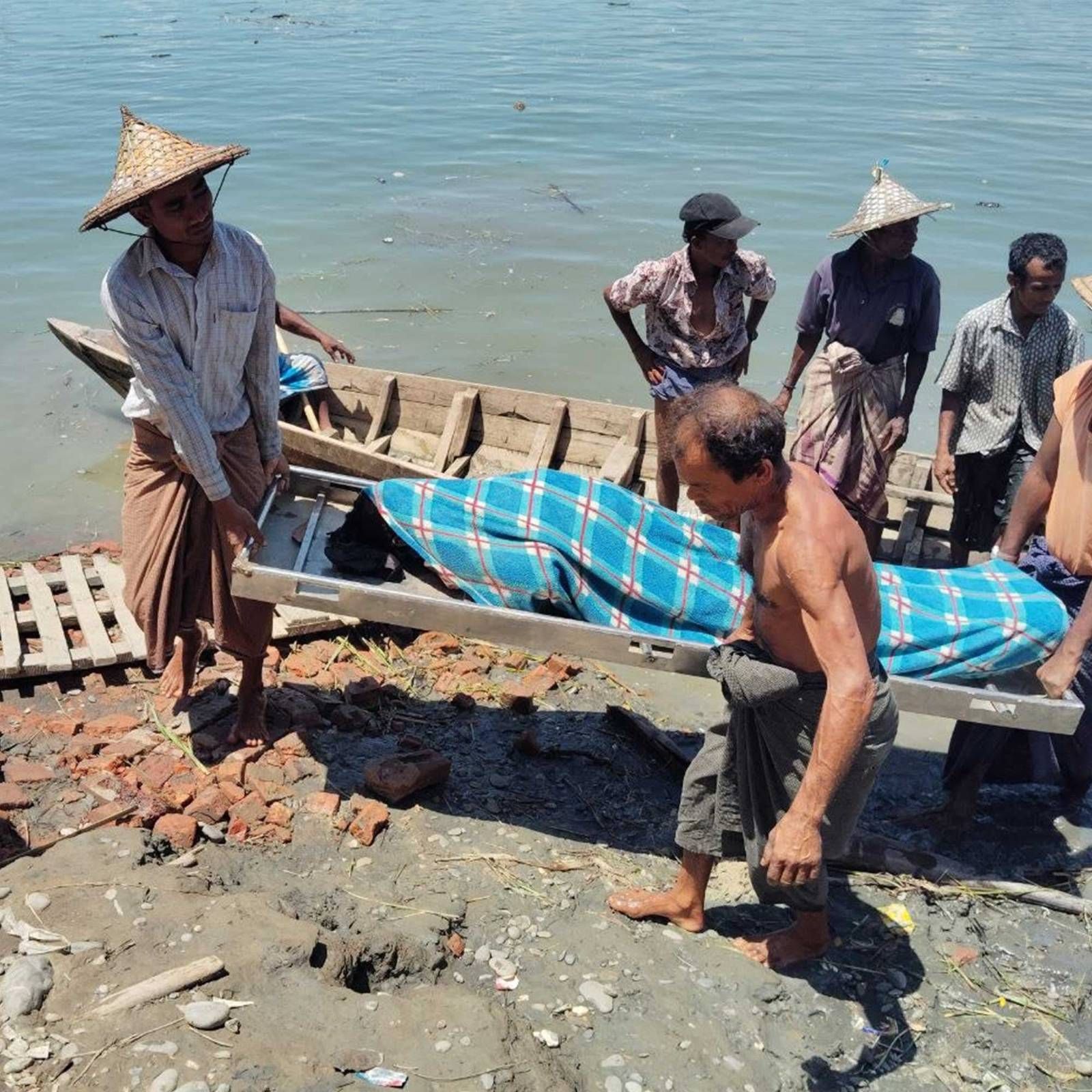
On 12 May 2026, an overcrowded boat carrying Rohingya villagers returning from a football match capsized in the Lay Myo River in Minbya Township, Rakhine State, killing 10 people, including an 8-year-old child. The tragedy underscores the dangerous conditions Rohingya communities face due to severe restrictions on freedom of movement, reliance on unsafe transportation, and heightened risks during the monsoon season. This incident reflects the broader humanitarian crisis confronting Rohingya in Rakhine State and the urgent need for unrestricted movement, safer transport, and increased humanitarian access.
Executive Summary
On May 12, 2026, a tragic boat capsizing incident occurred in the Lay Myo River, Minbya Township, Rakhine State, Myanmar. The boat, carrying approximately 50 Rohingya villagers returning from a soccer match, overturned due to severe overcrowding. This incident resulted in the confirmed deaths of 10 individuals, including an 8-year-old child. The event highlights the precarious conditions faced by the Rohingya community in Rakhine State, exacerbated by travel restrictions and the onset of the monsoon season.
Incident Details
Date and Location
The incident took place on the evening of May 12, 2026, at approximately 7:30 p.m. The boat capsized in the Lay Myo River, specifically in the stretch between Shwe Ta Mar Village and Aung Daing (Rohingya Muslim) Village in Minbya Township, Rakhine State.
Circumstances
More than 100 young people from Aung Daing Village had traveled to Shan Taung Village in Mrauk U Township to participate in a soccer match. They were returning home in two boats, each carrying around 50 passengers. One of these boats, severely overcrowded, capsized in the river channel.
Cause of the Accident
Initial reports and subsequent investigations of the AARA research team confirm that the primary cause of the capsizing was severe overcrowding. The onset of the monsoon season, characterized by rising water levels and strong currents, further contributed to the hazardous conditions on the river. There were no indications of military attacks or other external factors contributing to this specific capsizing incident, as initially suggested by a misattributed snippet.
Casualties
As of May 14, 2026, a total of 10 bodies have been recovered. The victims were primarily from Aung Daing Village, with others from Paung Tok Village (Mrauk U) and an IDP camp in Myebon Township. The deceased include individuals ranging from 8 to 50 years old.
Name Age Village/Township
Ilya 8 Aung Taing Village
Daw 50 Aung Taing Village
Numar Mauk 30 Aung Taing Village
Sarukhin 18 Aung Taing Village
Abu Kawthidi 18 Aung Taing Village
Mamatufai 38 Aung Taing Village
Siradu Islam 19 Paung Tok Village (Mrauk U)
Adu Wahiet 18 Paung Tok Village (Mrauk U)
Mamat Rohim 15 Myebon Township (IDP Camp)
(10th victim) N/A N/A
Search and Rescue Operations
Search and rescue efforts were jointly carried out by departments of the Arakan People's Revolutionary Government (AA) and local residents along the Laymyo River. All 10 bodies were recovered by the morning of May 13, 2026.
Broader Context and Implications for Rohingya
Travel Restrictions and Freedom of Movement
The incident underscores the severe restrictions on freedom of movement imposed on the Rohingya community in Rakhine State. Reports from May 14, 2026, indicate that Rohingya individuals face multiple travel restrictions under the administration of the Arakan Army (AA) in northern Rakhine State. These restrictions often force Rohingya to use unsafe and overcrowded modes of transport, such as the capsized boat, to travel between villages for essential activities or social events.
Environmental Hazards
The arrival of the monsoon season significantly increases the risks associated with river travel. Local authorities have issued warnings about rising water levels, strong currents, and potential damage to riverbanks. For a community already facing severe limitations, these environmental hazards compound the dangers of daily life and movement.
Ongoing Conflict and Instability
Rakhine State remains an area of ongoing conflict and instability. While this specific incident was an accident, the broader context includes frequent military activities, such as airstrikes and shelling by the Myanmar military (SAC) in townships like Minbya and Kyauktaw during early May 2026. Such instability further exacerbates the vulnerability of the Rohingya population and limits their access to safe transportation and humanitarian assistance.
Conclusion
The tragic boat capsizing in Minbya is a stark reminder of the perilous conditions endured by the Rohingya community in Rakhine State. The combination of enforced travel restrictions, reliance on unsafe transportation, and environmental dangers during the monsoon season creates a highly vulnerable environment. Action Against Rohingya Atrocities (AARA) should highlight these systemic issues, advocating for unrestricted freedom of movement, improved safety measures for riverine transport, and greater humanitarian access to address the underlying vulnerabilities of the Rohingya population.
Latest news
AARA Alleges 51 Rohingya Civilians Detained, Elderly Man Killed in Rathedaung Township by Militant Arakan Army (AA)
Rohingya villagers face urgent concerns over a reported deadline imposed by the militant Arakan Army (AA) to leave their homes by October 17, 2026, raising fears of further displacement and loss of shelter.
1,500 Myanmar Nationals Deported from Malaysia Aboard Junta Warships Amid Airstrike Horror
Malaysia has begun deporting around 1,500 Myanmar nationals despite ongoing conflict, forced conscription risks, and warnings that safe and dignified return remains impossible.
August 25 and the Hindu Massacre Narrative: How the Arakan Army Is Shifting Blame Toward Rohingya and ARSA
The article examines how the Arakan Army's August 25, 2026 Hindu commemoration presents the 2017 Hindu massacre as an ARSA crime, raising questions over efforts to shift blame onto Rohingya and reshape the history of the Rohingya genocide.