AARA Weekly Report (16–22 May 2026): Systematic Oppression, Mass Atrocities, and Modern Slavery Targeting Rohingya
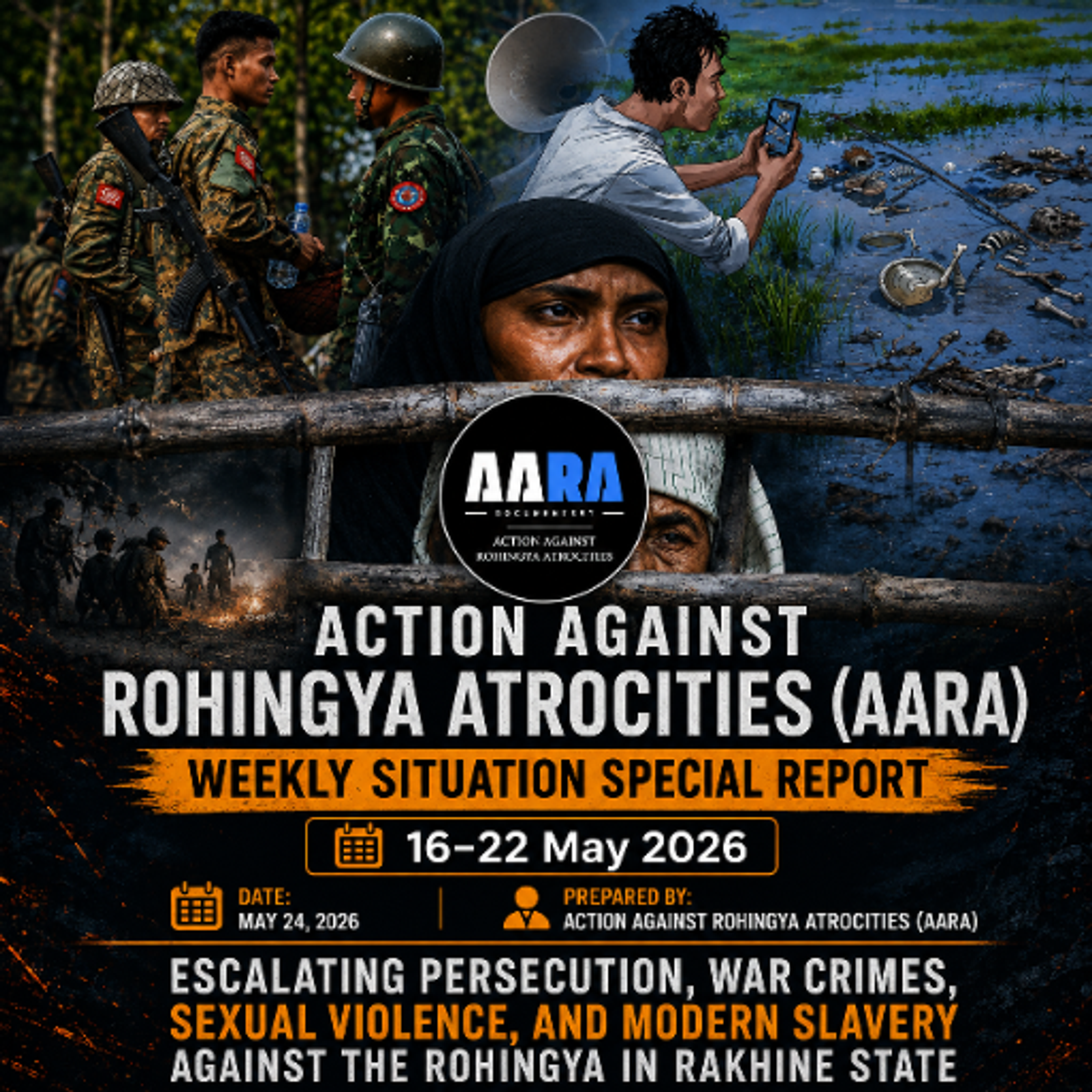
Action Against Rohingya Atrocities (AARA) has released its Weekly Situational Report for 16–22 May 2026, documenting escalating war crimes, sexual violence, forced labor, arbitrary arrests, land confiscation, and systematic persecution against the Rohingya in Rakhine State. The report highlights serious human rights violations committed against Rohingya civilians, including mass killings, economic exploitation, and severe movement restrictions, while calling for urgent international accountability, civilian protection, and justice for survivors.
I. Executive Summary
The Rohingya people in Rakhine State continue to face an escalating campaign of persecution, violence, and systematic deprivation that amounts to crimes against humanity and war crimes. During the reporting period of 16–22 May 2026, credible reports and investigations revealed ongoing atrocities committed against Rohingya civilians, including massacres, arbitrary arrests, enforced disappearances, sexual violence, forced labor, extortion, land confiscation, and severe restrictions on movement.
While the Myanmar military junta remains responsible for longstanding genocidal policies against the Rohingya, increasing evidence points to the involvement of the Arakan Army (AA) and its political wing, the United League of Arakan (ULA) in grave human rights violations targeting Rohingya communities across northern Rakhine State.
This report by Action Against Rohingya Atrocities (AARA) consolidates documented incidents, eyewitness accounts, and findings from international human rights organizations. The evidence demonstrates a worsening humanitarian and protection crisis that threatens the survival, dignity, and future of the Rohingya people.
AARA urgently calls upon the international community to take immediate action to ensure accountability, civilian protection, and justice for victims.
II. Documented War Crimes and Massacres
The Hoyyar Siri Massacre
A major investigation released by Human Rights Watch on 18 May 2026, titled “Skeletons and Skulls Scattered Everywhere,” documented the massacre carried out on 2 May 2024 in Hoyyar Siri (Htan Shauk Khan) village, Buthidaung Township.
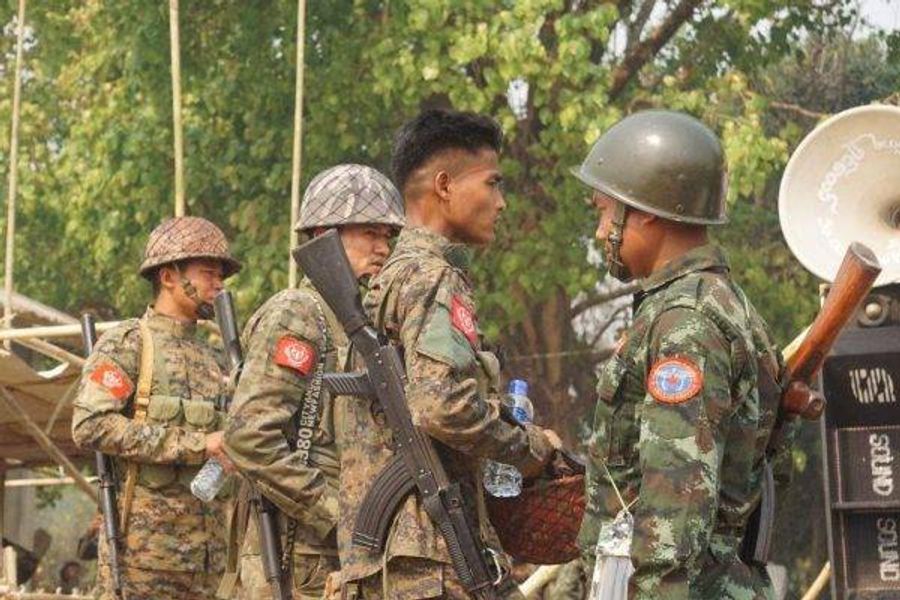
According to the investigation, fighters from the Arakan Army deliberately opened fire on unarmed Rohingya civilians, including women and children who were attempting to flee armed clashes between the AA and Myanmar military forces.
The report confirmed:
- More than 170 Rohingya civilians killed
- Approximately 90 children among the dead or missing
- Widespread destruction and burning of the village
- Arbitrary detention of survivors in makeshift camps
- Forced labor and severe restrictions imposed on displaced Rohingya
Eyewitness testimonies, satellite imagery, and verified multimedia evidence strongly support findings that the massacre was deliberate and systematic in nature. Despite denials from the AA/ULA leadership, the evidence collected by investigators overwhelmingly contradicts those claims.
The massacre represents one of the gravest documented atrocities against Rohingya civilians since the escalation of conflict in Rakhine State.

Arbitrary Arrests and Enforced Disappearances
On 15 May 2026, three Rohingya civilians from Ywa Thit village, Maungdaw Township, were reportedly arrested by the Arakan Army in the Nakha Kha (10) Battalion area while attempting to retrieve their cattle.
Those detained included:
- Mamat Ta Keer
- Ba Mamat Abbour (29)
- Another unidentified villager
- A 4-month-old infant
Family members seeking information regarding their whereabouts were reportedly denied answers, while AA authorities rejected responsibility for the detentions. The incident has intensified fear and insecurity among Rohingya communities already living under constant threat of arbitrary arrest and disappearance.
III. Systemic Gender-Based Violence
Rising Sexual Violence Against Rohingya Women and Girls
A deeply alarming report published on 14 May 2026 by the Burmese Rohingya Organisation UK documented increasing patterns of sexual violence committed against Rohingya women and girls in areas under Arakan Army control.
The report identified cases involving:
- Gang rape
- Sexual assault
- Arbitrary detention
- Threats of rape
- Abuse during forced recruitment raids
- Incommunicado detention of women and girls
The majority of reported incidents occurred in Maungdaw and Buthidaung townships.
BROUK warned that sexual violence is no longer occurring solely as isolated incidents linked to conflict, but is increasingly becoming embedded within systems of coercion, intimidation, and governance imposed on Rohingya civilians.
These abuses mirror patterns of violence historically perpetrated by the Myanmar military during earlier genocidal campaigns against the Rohingya population.
The continued use of sexual violence as a weapon of terror represents a grave violation of international humanitarian law and demands urgent international investigation and accountability.
IV. Economic Persecution and Modern Slavery
Forced Labor and Extortion
Reports from Maungdaw Township indicate that the AA/ULA imposed another large-scale financial collection campaign against Rohingya businessmen during May 2026.
According to local sources:
- Approximately 120 million kyats were collected from Rohingya communities under Area 6 administration.
- The money was allegedly demanded for repairs to the Maungdaw–Taungpyo highway.
- This was reportedly the fourth forced collection campaign, with previous rounds involving similar amounts.
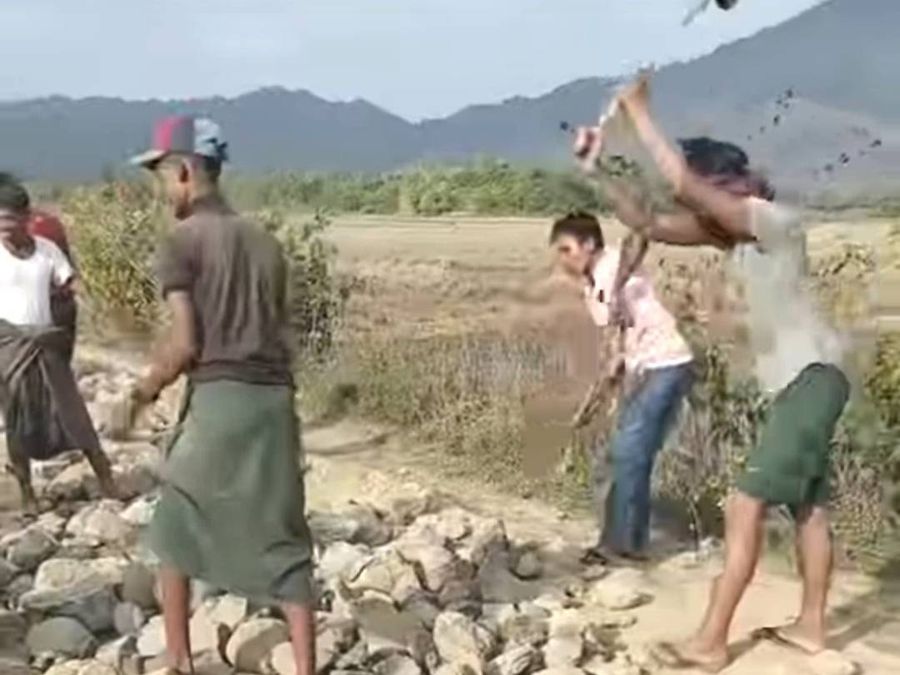
Simultaneously, Rohingya villagers in AA Region 3 were subjected to forced labor practices requiring:
- 50 individuals from each village
- Three consecutive days of labor
- Quarrying and transporting rocks for road construction
- Providing their own food, water, and work equipment
- No wages or compensation
Witnesses reported that individuals unable to work due to illness or physical weakness faced abuse and intimidation.
These practices constitute clear forms of economic exploitation and modern slavery under international law.
Land Confiscation
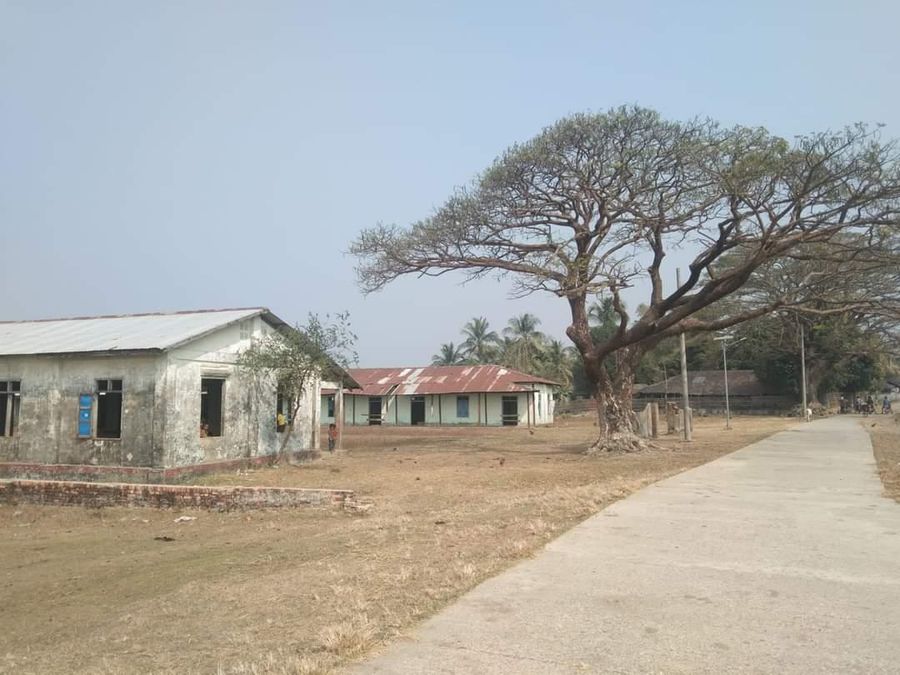
In Kyauktaw Township, the AA/ULA reportedly initiated plans to confiscate approximately 196 acres of Rohingya farmland in Taungdaung village for the construction of factories and workshops.
The proposed compensation of 4 million kyats per acre is estimated to be only a fraction of the actual market value of the land.
When ten Rohingya farmers questioned the confiscation process on 4 April 2026, they were reportedly arrested and detained for 72 hours in dark detention rooms.
The confiscation of ancestral lands further deepens the displacement, impoverishment, and dispossession of Rohingya communities already facing severe restrictions on livelihood and movement.
Restrictions on Freedom of Movement
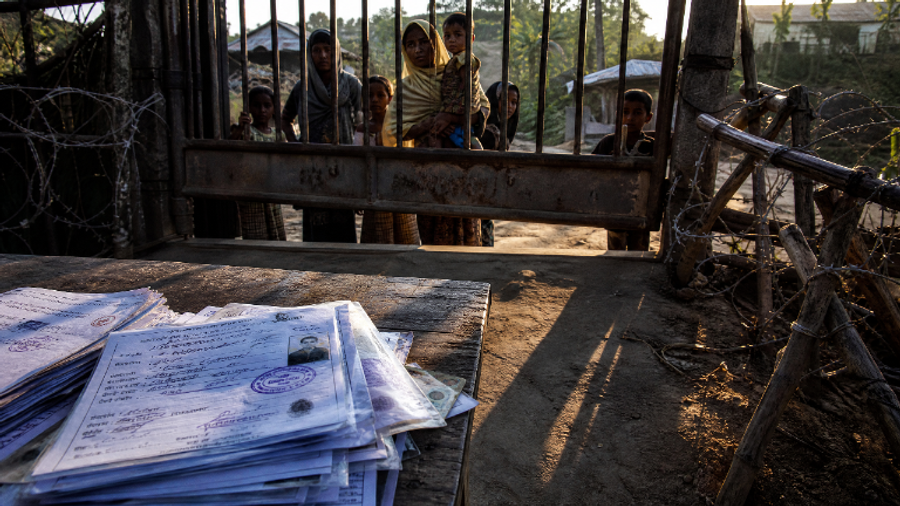
Rohingya residents in Kyauktaw Township continue to face discriminatory movement restrictions requiring multiple administrative approvals and travel certificates commonly referred to as “dilap.”
Travel between villages reportedly requires payments including:
- 5,000 kyats at village administration offices
- 2,000 kyats at district offices
- 5,000 kyats at police or “dilap” checkpoints
These excessive fees place heavy financial burdens on already vulnerable communities and effectively restrict access to healthcare, education, employment, and social life.
Community members increasingly view the system as a deliberate mechanism designed to pressure Rohingya families into abandoning their homes and lands.
V. Global Solidarity and Rohingya Activism
Detention of Ko Tin Maung
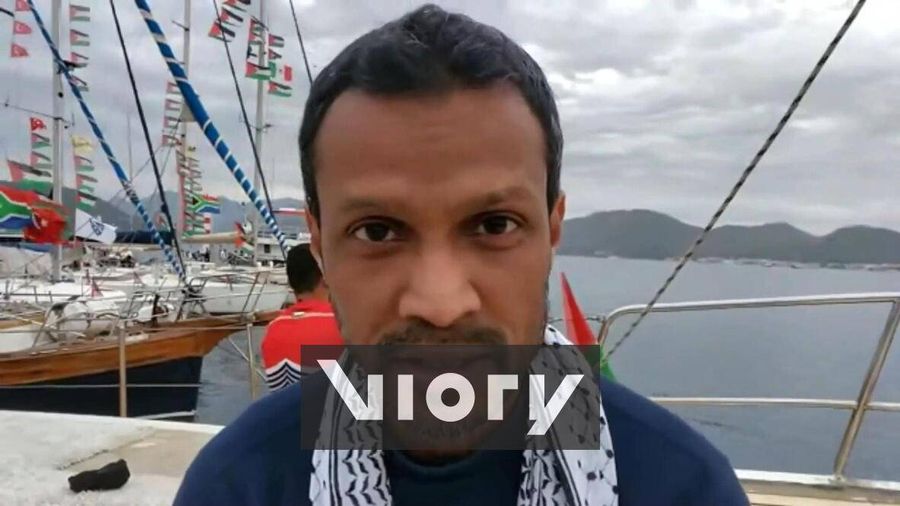
Rohingya activist Ko Tin Maung (Rayees) was reportedly among 428 activists, medics, and journalists detained by the Israeli Defence Forces (IDF) after a humanitarian flotilla attempting to deliver aid to Gaza was intercepted during May 2026.
His participation reflected growing global solidarity among oppressed communities and highlighted the role of Rohingya human rights defenders in advocating for justice and humanitarian principles internationally.
The detention underscores the personal risks faced by Rohingya activists engaged in global human rights advocacy.
VI. Regional Security and Humanitarian Concerns
Anti-Smuggling Operations in Bangladesh
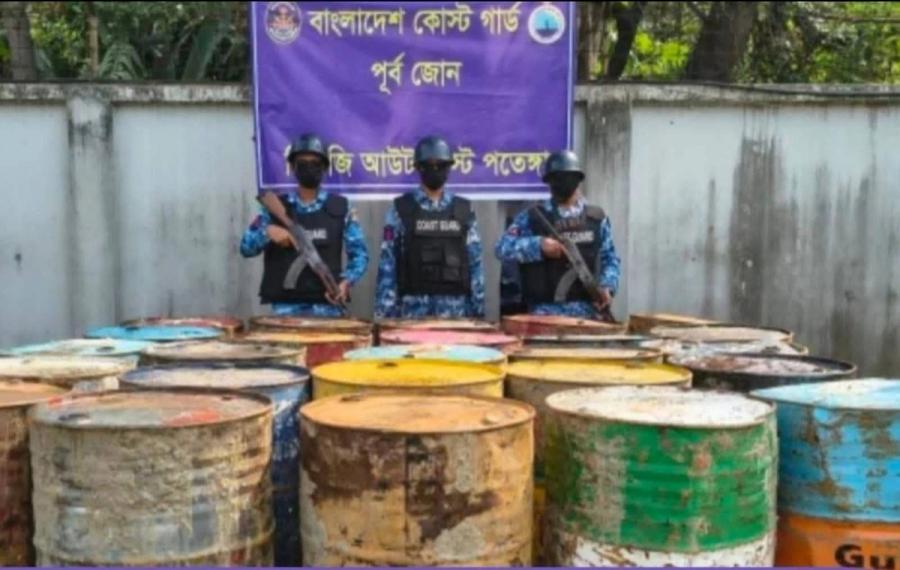
On 20 May 2026, the Bangladesh Coast Guard conducted anti-smuggling operations in Chittagong, seizing large quantities of illegal fuel and edible oil.
Although not directly linked to abuses against the Rohingya, such operations highlight the fragile security and economic environment surrounding border regions where many Rohingya refugees remain vulnerable to trafficking, exploitation, and criminal activity.
VII. Conclusion
The evidence documented during this reporting period demonstrates a continuing and deeply alarming pattern of persecution against the Rohingya people in Rakhine State.
Mass killings, arbitrary arrests, sexual violence, forced labor, land confiscation, economic exploitation, and movement restrictions collectively form part of a systematic structure of oppression targeting the Rohingya population.
Both the Myanmar military junta and the Arakan Army/ULA bear responsibility for serious human rights violations and possible war crimes under international law.
The international community must not remain silent while the Rohingya continue to endure violence, dispossession, and collective punishment.
Action Against Rohingya Atrocities (AARA) reaffirms its commitment to documenting abuses, amplifying the voices of survivors, and advocating for justice, accountability, and the protection of Rohingya civilians.
VIII. Recommendations
1. Accountability and Justice
The international community, including the United Nations Security Council, must support independent investigations into all alleged war crimes and crimes against humanity committed by both the Myanmar military junta and the Arakan Army.
2. Protection of Civilians
All parties to the conflict must immediately cease attacks against civilians and comply fully with international humanitarian law.
3. End Forced Labor and Economic Exploitation
The AA/ULA must immediately halt all forms of forced labor, extortion, arbitrary taxation, and unlawful land confiscation targeting Rohingya communities.
4. Restore Freedom of Movement
Discriminatory travel restrictions and the abusive certificate system imposed on Rohingya civilians must be abolished without delay.
5. Support Survivors of Sexual Violence
Comprehensive medical, psychological, legal, and protection services must be provided for survivors of sexual and gender-based violence.
6. Increase International Pressure
Governments, regional bodies, and international organizations must apply sustained diplomatic and economic pressure on all perpetrators to ensure respect for human rights and meaningful progress toward justice and durable peace.
Action Against Rohingya Atrocities (AARA)
Advocating for Truth, Justice, Accountability, and Human Dignity for the Rohingya People
Related articles
AARA Weekly Situation Report
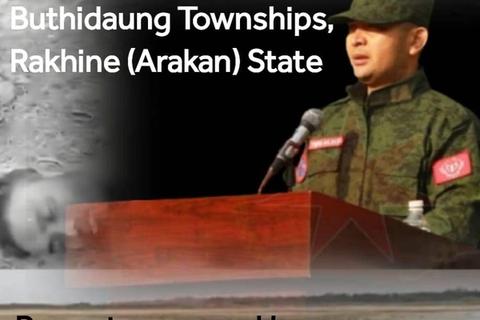
During the reporting period, Action Against Rohingya Atrocities (AARA) documented multiple serious abuses committed by the Arakan Army (AA) against Rohingya civilians in northern Maungdaw and Buthidaung Townships, including landmine injuries, forced labour, forced removal of residential fences, extrajudicial killings, destruction of homes, arbitrary arrest, and the forced displacement of vulnerable civilians. These incidents reflect an escalating pattern of systematic abuse, intimidation, and collective punishment targeting the Rohingya population in Arakan State. AARA urges the international community to take immediate action to investigate these violations and protect Rohingya civilians from further atrocities.
AARA' weekly documents escalating atrocities against the Rohingya and growing international calls for accountability.
AARA’s weekly report documents escalating human rights violations against the Rohingya in Rakhine State, including airstrikes, forced conscription, sexual violence, and economic extortion, while international calls for accountability continue to grow.
Latest news
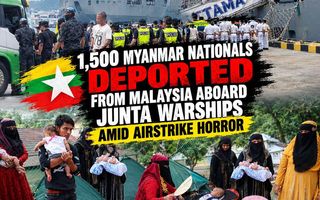
1,500 Myanmar Nationals Deported from Malaysia Aboard Junta Warships Amid Airstrike Horror
Malaysia has begun deporting around 1,500 Myanmar nationals despite ongoing conflict, forced conscription risks, and warnings that safe and dignified return remains impossible.
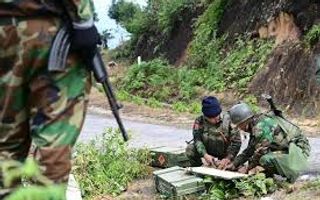
August 25 and the Hindu Massacre Narrative: How the Arakan Army Is Shifting Blame Toward Rohingya and ARSA
The article examines how the Arakan Army's August 25, 2026 Hindu commemoration presents the 2017 Hindu massacre as an ARSA crime, raising questions over efforts to shift blame onto Rohingya and reshape the history of the Rohingya genocide.
Arakan Army’s Digital Propaganda Campaign Targets Rohingya Identity and Abuses, Analysis Finds
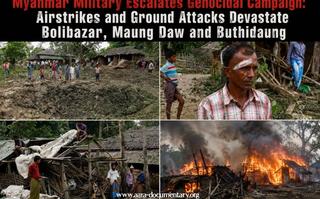
Myanmar Military Escalates Genocidal Campaign: Airstrikes and Ground Attacks Devastate Bolibazar and Buthidaung
On 1 July 2026, the Myanmar military launched coordinated airstrikes and ground attacks targeting Rohingya civilian areas in Maungdaw and Buthidaung townships, Rakhine State. The attacks struck Bolibazar village and several locations in Buthidaung, injuring civilians, including a child who lost a leg. **Action Against Rohingya Atrocities (AARA)** condemns these attacks as serious violations of international humanitarian law and calls for an immediate end to military operations against civilians, stronger international action, and unrestricted humanitarian access to affected communities.