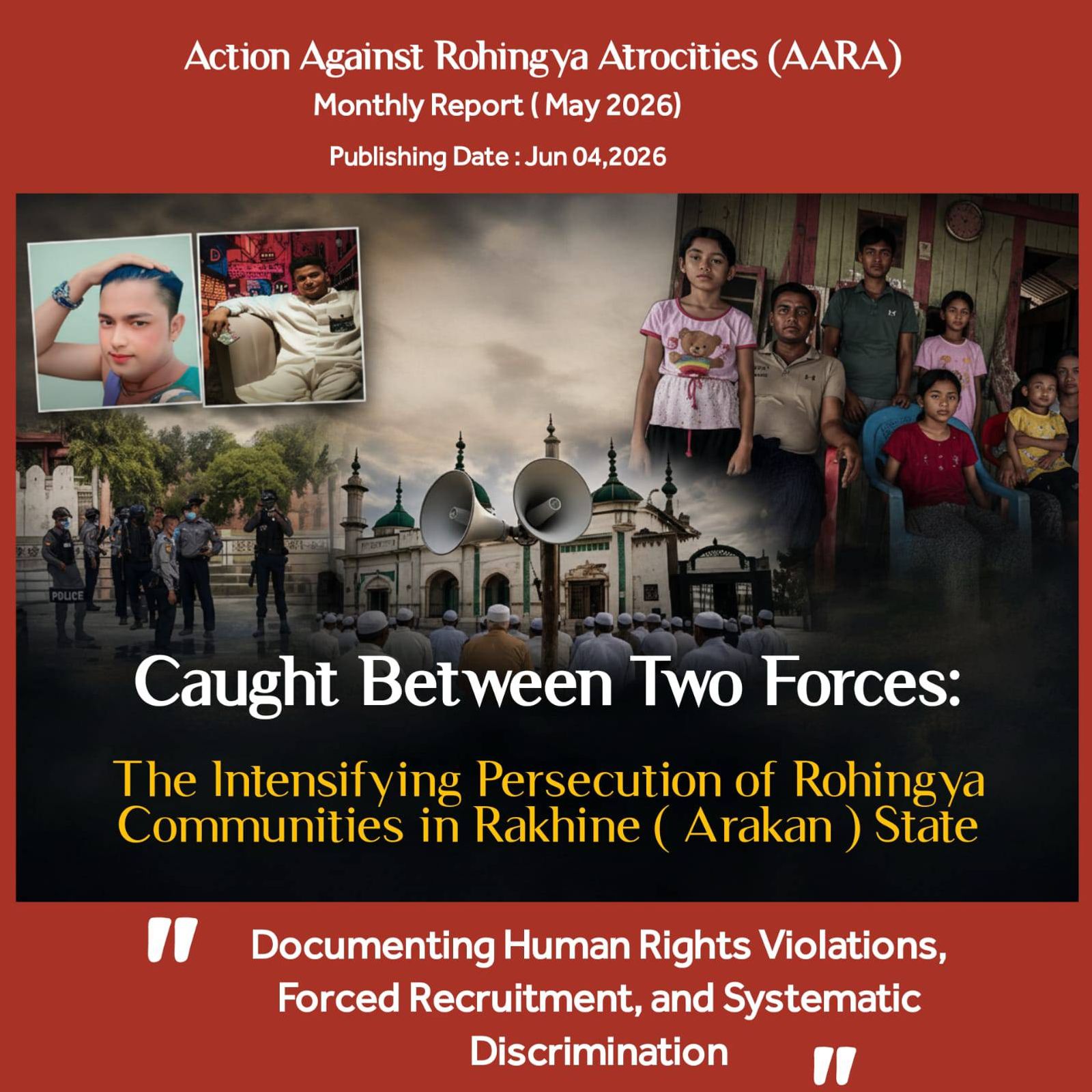
Caught Between Two Forces: The Intensifying Persecution of Rohingya Communities in Rakhine State I May 2026
May 2026 Monthly Special Report by Action Against Rohingya Atrocities (AARA) documents a severe escalation in human rights violations against the Rohingya population in Rakhine State, Myanmar. Caught between ongoing conflict involving the Arakan Army (AA) and the Myanmar Military (Junta), Rohingya civilians faced increasing levels of arbitrary detention, forced recruitment, extortion, movement restrictions, and attacks on civilian life. The report highlights growing concerns over child conscription, discriminatory taxation, restrictions on religious freedom, and unequal humanitarian aid distribution, alongside continued violence resulting in civilian casualties. Both state and non-state actors are documented as contributing to an environment of insecurity, fear, and systemic repression. AARA calls for urgent international action to ensure civilian protection, accountability for violations, and equitable humanitarian access for all affected communities in Rakhine State.
Executive Summary
The month of May 2026 was marked by a significant deterioration in the human rights and security situation facing the Rohingya population in Rakhine State, Myanmar. As armed conflict between the Arakan Army (AA) and the Myanmar Military (Junta) intensified, Rohingya civilians found themselves trapped between competing forces, suffering widespread abuses, restrictions, and violence.
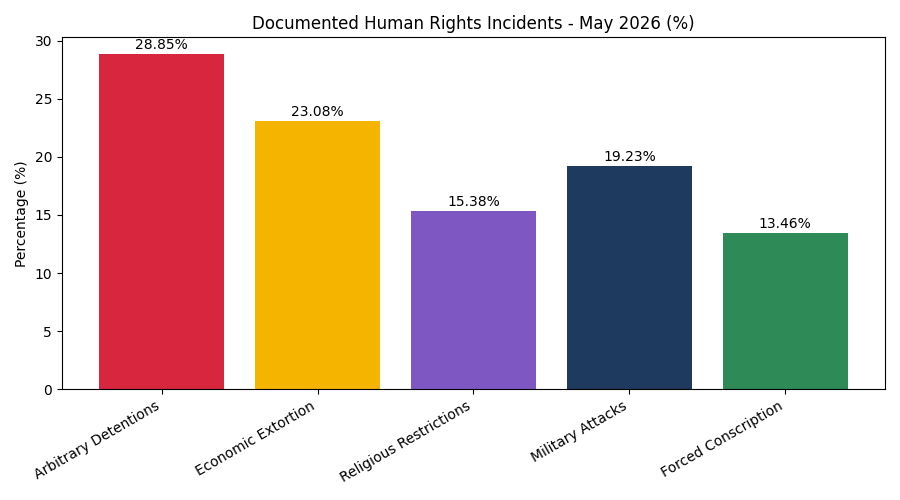
Throughout the reporting period, AARA documented alarming patterns of arbitrary detention, forced recruitment, extortion, discriminatory policies, restrictions on religious freedom, and attacks against civilians. Both the Myanmar Military and the Arakan Army continued to operate with impunity, placing Rohingya communities at heightened risk and further deepening their vulnerability.
Key developments documented during May 2026 include:
- Expansion of administrative control and restrictions imposed by the Arakan Army in Maungdaw and Buthidaung.
- Reports of forced recruitment, including the conscription of children and adolescents.
- Arbitrary arrests, abductions, and extortion targeting Rohingya civilians.
- Continued military attacks resulting in civilian casualties and widespread fear.
- Increasing restrictions on religious practices and community gatherings.
- Discriminatory distribution of humanitarian assistance and continued neglect of Rohingya cultural heritage.
- Escalating ethnic tensions affecting broader civilian populations across Rakhine State.
These developments demonstrate a continuing pattern of systematic repression that threatens the safety, dignity, and fundamental rights of the Rohingya people.
1. Security Situation and Human Rights Violations
1.1 Arbitrary Detentions, Abductions, and Extortion

During May 2026, Rohingya civilians continued to face arbitrary detention and abduction under the pretext of security operations.
Between 30 April and 1 May, seven Rohingya individuals including local residents and internally displaced persons were reportedly detained by the Arakan Army in the Kyauk Hla Pyin and Don Chaung areas of Buthidaung Township. Families reported being pressured to pay approximately 1,000,000 Myanmar Kyats per person in exchange for their release.
In Maungdaw Township, four Rohingya youths were reportedly abducted from Thayet Oak village in separate incidents between 28 and 31 May. No official charges, legal procedures, or explanations were provided. Such incidents have contributed to a climate of fear and uncertainty among Rohingya communities, many of whom remain reluctant to travel or engage in daily economic activities.
The recurring pattern of arbitrary detention and financial extortion represents a serious violation of fundamental human rights and further undermines civilian security.
1.2 Forced Conscription and Forced Labor
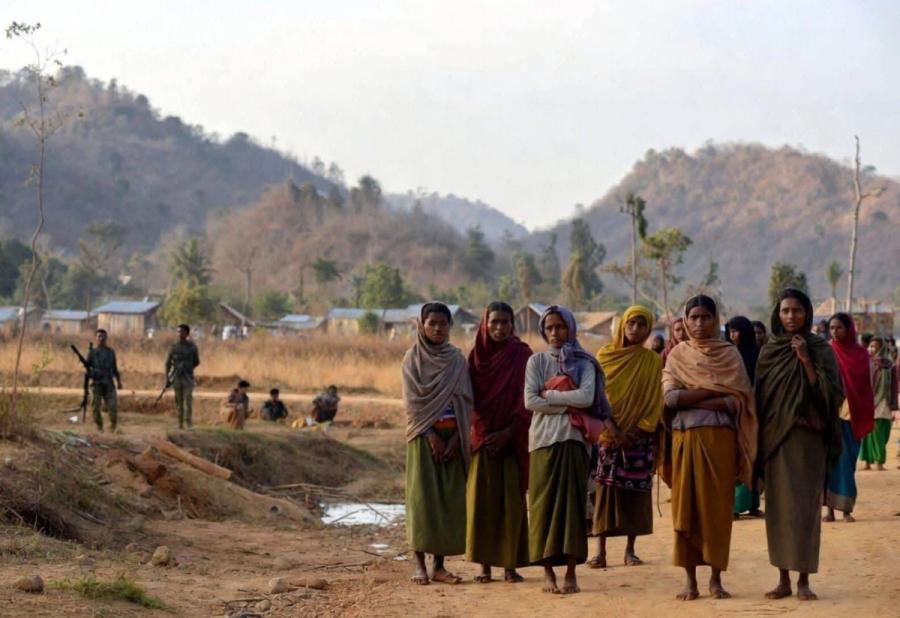
AARA received multiple reports indicating that vulnerable civilians continue to be targeted for recruitment and forced labor.
Community members in northern Maungdaw reported that the Arakan Army has increasingly recruited children and adolescents, with some reports indicating recruitment involving individuals between the ages of 10 and 18. Parents expressed deep concern regarding coercion and pressure placed upon families to surrender their children.
Meanwhile, on 3 May, approximately fifty Rohingya refugees residing in Yangon were reportedly arrested by authorities in cooperation with nationalist extremist networks. Those detained included teachers, students, and community members who reportedly possessed legal documentation. Families fear that some detainees may be subjected to forced labor or transferred to military-controlled facilities.
The recruitment of children into armed groups constitutes a grave violation of international humanitarian and human rights law.
2. Economic Exploitation and Administrative Control
2.1 Discriminatory Taxation and Extortion Practices
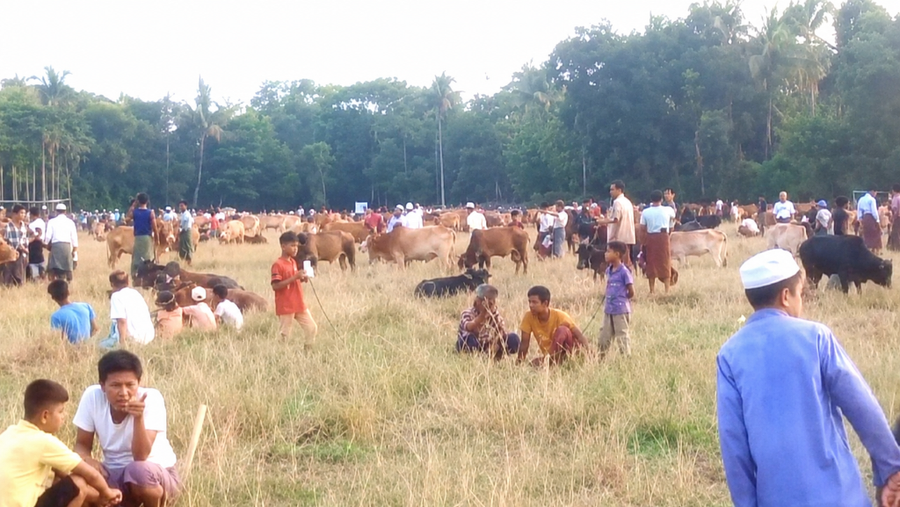
Rohingya communities continue to face severe economic pressure through taxation, confiscation, and extortion.
On 7 May, reports indicated that more than fifty motorcycles belonging to Rohingya residents in northern Maungdaw were confiscated by the Arakan Army and later returned only after owners paid approximately 100,000 Kyats per vehicle.
Ahead of Eid al-Adha (Qurbani), authorities reportedly imposed additional taxes on livestock sales, requiring payments based on the market value of animals intended for religious sacrifice. Community leaders also reported unofficial fee collection practices by local administrators despite public claims of tax exemptions.
Furthermore, residents were instructed to register businesses, vehicles, and vocational equipment before 15 May. Many community members expressed concern that these registration requirements could facilitate future surveillance, confiscation, and additional taxation.
These measures have significantly increased economic hardship for Rohingya families already struggling with poverty, displacement, and restricted access to livelihoods.
2.2 Restrictions on Religious Freedom and Community Life
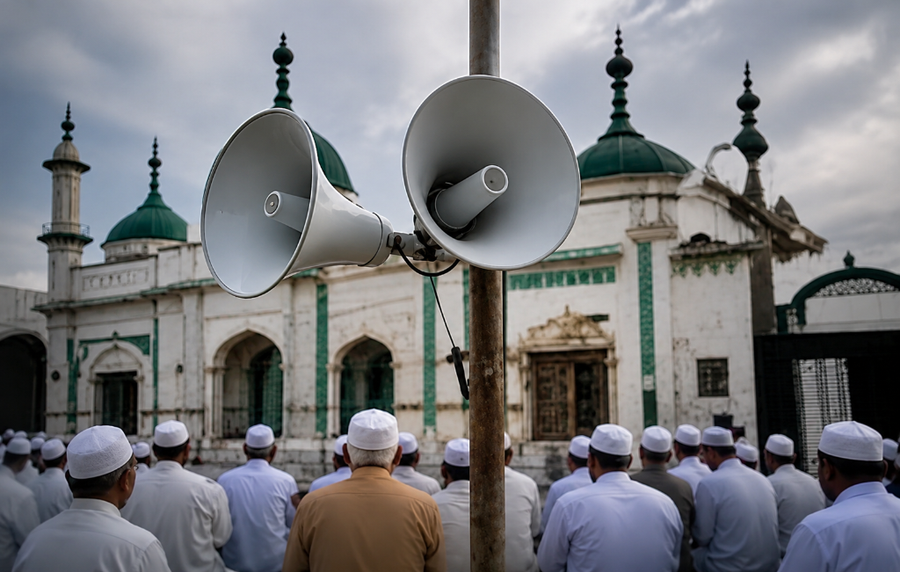
AARA documented continued restrictions on the religious and cultural rights of Rohingya Muslims.
Since late April, authorities in Maungdaw reportedly prohibited the use of loudspeakers for the Islamic call to prayer (Azan), while similar restrictions were not applied to Buddhist religious institutions or public events.
Additional regulations introduced during the reporting period required communities to obtain advance permission for religious gatherings and social events. Local authorities reportedly mandated a five-day approval process and enforced a strict 10:00 PM curfew limiting public activities.
Community leaders expressed concern that these restrictions disproportionately affect Rohingya religious practices and further marginalize their cultural identity.
The unequal application of religious regulations raises serious concerns regarding discrimination and freedom of religion.
3. Military Operations and Civilian Casualties
3.1 Attacks Against Civilians
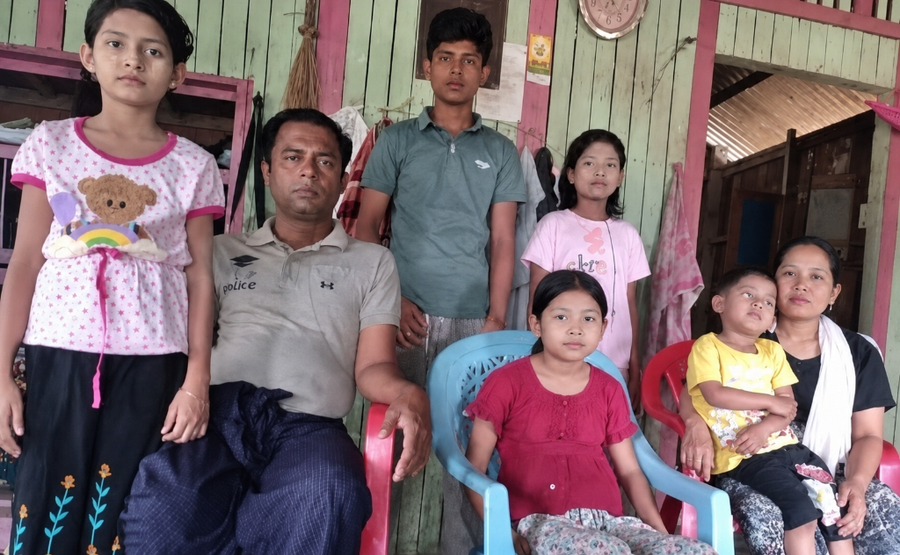
The reporting period witnessed multiple incidents involving civilian casualties linked to military operations.
On 24 May, a Rohingya family attempting to return to Rakhine State from Yangon reportedly came under fire from Myanmar naval forces. Six family members were reportedly killed during the incident. Survivors included a young child and a female family member. Subsequent reports raised concerns regarding the treatment and safety of survivors following the attack.
In Minbya Township, residents reported a major aerial bombardment on 7 May involving multiple fighter aircraft. The operation reportedly lasted approximately one hour and generated widespread fear among local communities. Although casualty figures remain difficult to verify, civilians described severe psychological trauma and ongoing fear of future attacks.
These incidents underscore the continued vulnerability of civilians and the apparent failure of armed actors to uphold obligations under international humanitarian law.
3.2 Humanitarian Crisis and Aid Discrimination
Humanitarian conditions across Rakhine State remain deeply concerning.
Community sources reported disparities in humanitarian aid distribution, with Rohingya villages receiving significantly less assistance than neighboring communities. Such inequities have intensified existing vulnerabilities and contributed to growing frustration among affected populations.
Meanwhile, the historic Jame Mosque in Sittwe estimated to be more than 170 years old remains in a deteriorating condition. Local communities report that authorities continue to obstruct necessary repair and preservation efforts, placing an important religious and cultural landmark at risk of permanent damage.
The denial of equal humanitarian assistance and the neglect of cultural heritage further compound the marginalization of the Rohingya community.
4. Analysis
The developments documented during May 2026 reveal a broader pattern of institutionalized discrimination and systematic repression.
The Rohingya continue to face simultaneous threats from armed conflict, restrictive governance measures, economic exploitation, and social exclusion. The cumulative effect of these policies extends beyond immediate humanitarian concerns and reflects ongoing efforts that limit the community’s ability to exercise basic rights, maintain cultural identity, and participate in public life.
The combination of forced recruitment, arbitrary detention, religious restrictions, and discriminatory treatment contributes to an environment where Rohingya civilians remain deprived of security, dignity, and equal protection under the law.
Without meaningful intervention and accountability, these patterns are likely to deepen existing grievances and further destabilize the region.
5. Conclusions and Recommendations
The human rights situation in Rakhine State during May 2026 remained deeply alarming. Rohingya civilians continue to bear the heaviest burden of conflict, repression, and discrimination.
Action Against Rohingya Atrocities (AARA) urgently calls upon the international community, governments, humanitarian organizations, and human rights mechanisms to take immediate action.
1. Ensure Accountability
Initiate independent investigations into violations committed by all parties to the conflict, including the Myanmar Military and the Arakan Army, and support efforts to hold perpetrators accountable under international law.
2. Protect Civilians
Strengthen international monitoring and protection mechanisms to prevent arbitrary detention, enforced disappearance, forced recruitment, and attacks against civilians.
3. End Child Recruitment
Demand the immediate cessation of child recruitment and the release of all children associated with armed groups.
4. Guarantee Equal Humanitarian Access
Ensure humanitarian assistance is delivered impartially and equitably to all affected communities regardless of ethnicity, religion, or political affiliation.
5. Protect Religious Freedom
Advocate for the removal of discriminatory restrictions on religious practices and the protection of freedom of worship for all communities.
6. Preserve Rohingya Cultural Heritage
Support the restoration and protection of Rohingya cultural, religious, and historical sites, including the preservation of historic mosques and community landmarks.
7. Strengthen International Engagement
Increase diplomatic pressure on all parties to respect international humanitarian law, protect civilians, and address the root causes of the Rohingya crisis.
About AARA
Action Against Rohingya Atrocities (AARA) is a Rohingya-led human rights organization dedicated to documenting violations, promoting accountability, preserving historical memory, and advocating for justice, dignity, and the protection of Rohingya communities affected by persecution and displacement.
Related articles
AARA Weekly Report (16–22 May 2026): Systematic Oppression, Mass Atrocities, and Modern Slavery Targeting Rohingya
Action Against Rohingya Atrocities (AARA) has released its Weekly Situational Report for 16–22 May 2026, documenting escalating war crimes, sexual violence, forced labor, arbitrary arrests, land confiscation, and systematic persecution against the Rohingya in Rakhine State. The report highlights serious human rights violations committed against Rohingya civilians, including mass killings, economic exploitation, and severe movement restrictions, while calling for urgent international accountability, civilian protection, and justice for survivors.
AARA Weekly Situation Report
During the reporting period, Action Against Rohingya Atrocities (AARA) documented multiple serious abuses committed by the Arakan Army (AA) against Rohingya civilians in northern Maungdaw and Buthidaung Townships, including landmine injuries, forced labour, forced removal of residential fences, extrajudicial killings, destruction of homes, arbitrary arrest, and the forced displacement of vulnerable civilians. These incidents reflect an escalating pattern of systematic abuse, intimidation, and collective punishment targeting the Rohingya population in Arakan State. AARA urges the international community to take immediate action to investigate these violations and protect Rohingya civilians from further atrocities.
AARA' weekly documents escalating atrocities against the Rohingya and growing international calls for accountability.
AARA’s weekly report documents escalating human rights violations against the Rohingya in Rakhine State, including airstrikes, forced conscription, sexual violence, and economic extortion, while international calls for accountability continue to grow.
Latest news
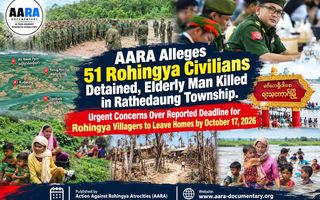
AARA Alleges 51 Rohingya Civilians Detained, Elderly Man Killed in Rathedaung Township by Militant Arakan Army (AA)
Rohingya villagers face urgent concerns over a reported deadline imposed by the militant Arakan Army (AA) to leave their homes by October 17, 2026, raising fears of further displacement and loss of shelter.
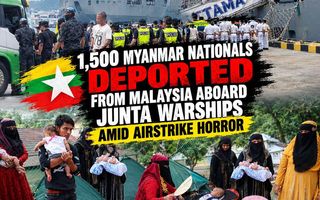
1,500 Myanmar Nationals Deported from Malaysia Aboard Junta Warships Amid Airstrike Horror
Malaysia has begun deporting around 1,500 Myanmar nationals despite ongoing conflict, forced conscription risks, and warnings that safe and dignified return remains impossible.
August 25 and the Hindu Massacre Narrative: How the Arakan Army Is Shifting Blame Toward Rohingya and ARSA
The article examines how the Arakan Army's August 25, 2026 Hindu commemoration presents the 2017 Hindu massacre as an ARSA crime, raising questions over efforts to shift blame onto Rohingya and reshape the history of the Rohingya genocide.