Comprehensive Documentation Report: Systematic Violence and Atrocities in Arakan (Rakhine) State (2012 to 2025)
"Summary of AARA Comprehensive Report (2012–2025/2024)" This report documents a sustained pattern of mass violence, destruction, and severe human rights violations in Arakan (Rakhine) State from 2012 to 2025, with Rohingya civilians as the most affected population. From the 2012 Rakhine State riots through subsequent waves of violence, communities have experienced "killing, displacement, village burnings, arbitrary arrests, sexual violence, and loss of livelihoods". The crisis escalated further in 2013–2014 through land confiscations, coordinated raids, and the destruction of entire villages. The 2017 military operations marked one of the most devastating phases, with large-scale massacres in villages including Tula Toli, Gu Dar Pyin, Kyaukpyin, and Inn Din. Thousands of civilians were killed, mass graves were reported, and survivors described systematic and organized attacks involving security forces and armed groups. More recent incidents in 2024–2025 indicate continued violence, including alleged Arakan Army operations involving drone strikes, executions, mass killings, and attacks on civilians attempting to flee. Major incidents include Hoyyar Siri, Nga Kyi Dauk, and the Naf River massacre. Highlighted Groups Most in Need Across all documented incidents, the following groups remain the most severely affected and in urgent need of protection and assistance: 1. Rohingya Civilian Population Primary victims of repeated mass killings and displacement Systematic loss of homes, land, and identity documents Long-term statelessness and restricted freedom of movement 2. Women and Girls Reported survivors of sexual violence and gender-based abuse High vulnerability during village raids and mass attacks Long-term psychological trauma and lack of protection services 3. Children Victims of killings, burnings, and forced displacement Orphaned and separated from families in multiple incidents Severe disruption of education and development 4. Elderly Persons Frequently killed or abandoned during forced displacement Unable to flee during attacks on villages High risk of neglect and lack of humanitarian access 5. Persons with Disabilities Left behind during mass evacuations and attacks Limited access to humanitarian aid and protection Extremely high vulnerability during armed operations 6. Displaced Families and Refugees Living in unstable conditions inside Myanmar and across borders Facing food insecurity, lack of shelter, and limited healthcare Continuous fear of renewed attacks and forced movement Conclusion The report highlights an ongoing humanitarian crisis where civilians—especially Rohingya men, women, children, the elderly, and persons with disabilities remain at extreme risk. Immediate protection, humanitarian access, and international accountability are urgently needed to prevent further loss of life and long-term suffering.
1. Introduction
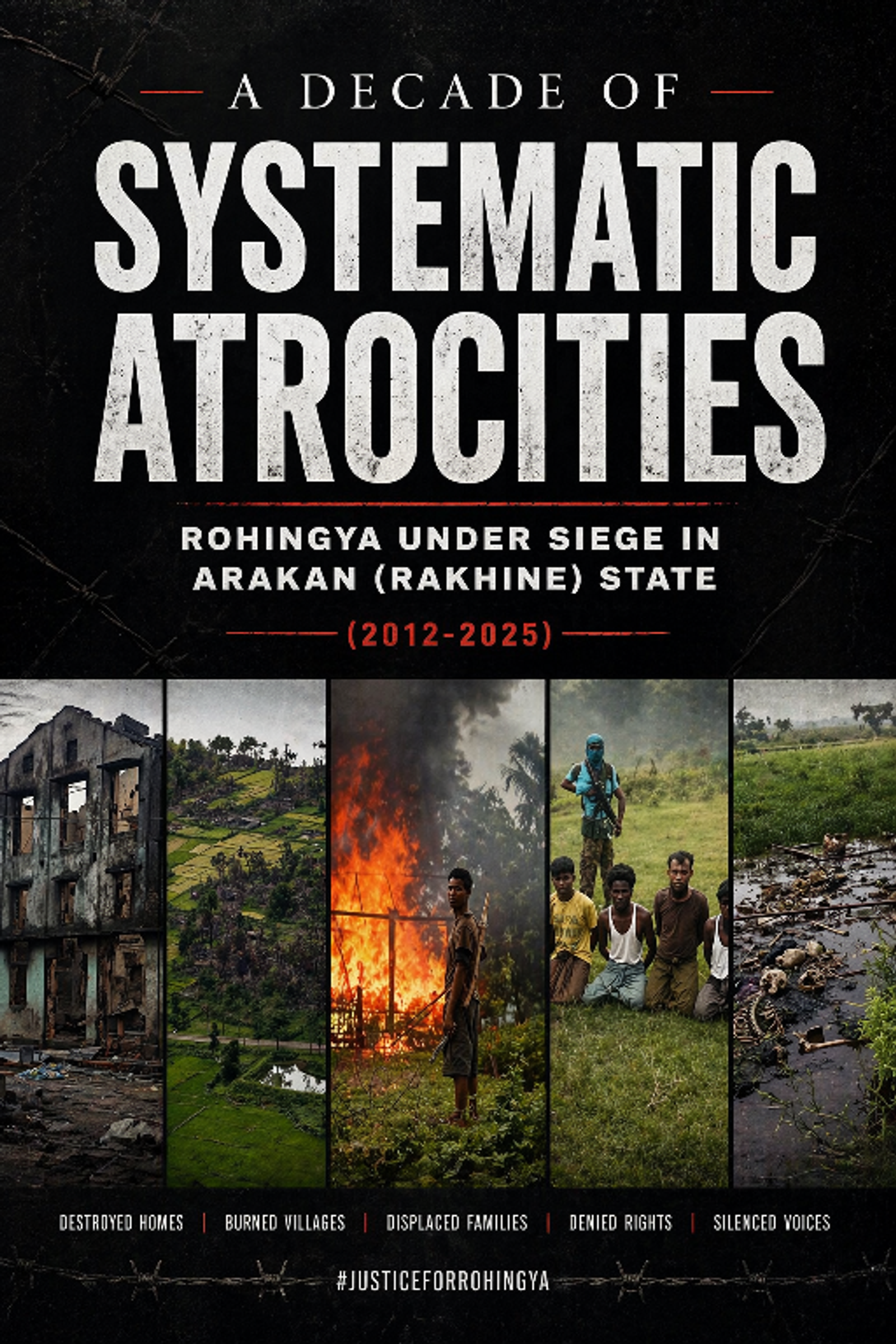
This comprehensive report documents a pattern of widespread violence, mass atrocities, forced displacement, and systematic human rights violations in Arakan (Rakhine) State from 2012 to 2025. The events described span over a decade and include large-scale communal violence, state security operations, and armed group offensives.
While multiple actors have been present in the conflict, this report identifies the Myanmar Military (Tatmadaw) and the Arakan Army (AA) as the primary alleged perpetrators of large-scale atrocities against Rohingya civilians during different phases of the conflict.
2. 2012 Rakhine State Riots
The 2012 Rakhine State riots marked a major turning point in Myanmar’s modern history, involving widespread violence, displacement, and long-term segregation in Arakan (Rakhine) State, with Rohingya communities being the most severely affected.
The violence escalated in June 2012 following tensions triggered by allegations of a serious crime. Soon after, a group of Muslim pilgrims traveling from Maungdaw Township to Yangon were attacked near Taungup Township, where eight people were killed and three seriously injured. This incident is widely reported as a key trigger of the wider conflict.
Following this, violence rapidly spread across the region. Rohingya communities held large prayer gatherings, after which retaliatory attacks occurred, including the burning of villages. The situation quickly developed into widespread communal violence, with both sides affected, though Rohingya civilians experienced greater levels of destruction and displacement.
Myanmar security forces were later deployed across Maungdaw and Buthidaung, leading to mass arrests reportedly exceeding 750 people, including women and children. Many were detained without due process, and allegations emerged of torture, ill-treatment, arbitrary detention, and sexual violence, with reports indicating over 100 cases of abuse. Human rights groups also noted serious concerns about failure to protect civilians and disproportionate targeting of Rohingya communities.
While the official government position described the events as mutual intercommunal violence, international organizations such as Amnesty International and Human Rights Watch documented patterns of systematic persecution and serious human rights violations, with some findings describing the situation as ethnic cleansing and institutionalized discrimination.
Overall, the 2012 riots are widely understood as a combination of mob violence, retaliatory attacks, and state security failures, resulting in severe and long-lasting humanitarian consequences for Rohingya populations in the region.
2.1 Sittwe Violence and Narzi Quarter Incident
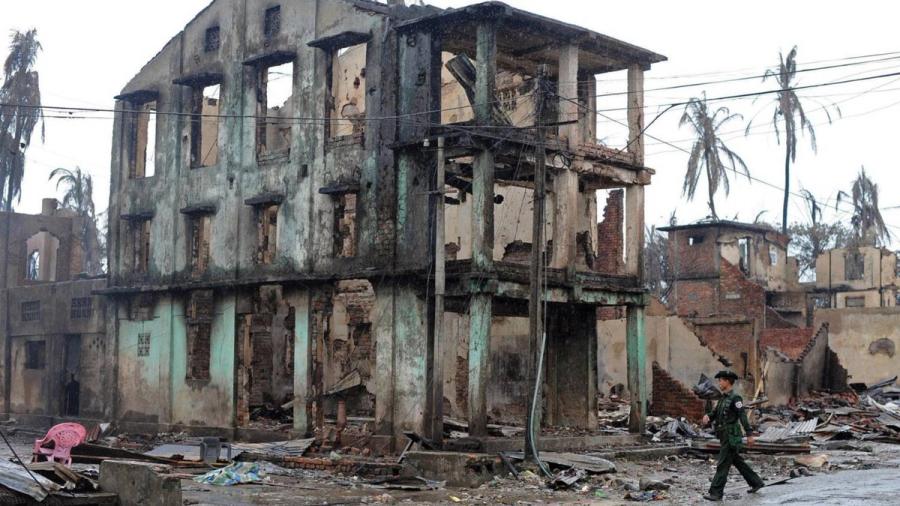
The Rohingya testimonies describe how the violence, which initially broke out in the countryside, quickly swept into the state capital of Sittwe in June 2012. The violence in the city formed part of a wider breakdown in law and order, where mobs from both Arakan Buddhist and Rohingya Muslim communities attacked each other with little to no government intervention.
Key Details:
- Narzi Quarter Incident: On June 12, Arakan mobs burned down the Narzi quarter, Sittwe's largest Muslim area. When residents attempted to extinguish the fires, security forces, including police and paramilitary units, allegedly opened fire with live ammunition.
- Direct Witness Accounts: A Rohingya witness reported seeing police shoot at least six people, including one woman, two children, and three men, followed by removal of the bodies.
- Government Inaction: The government reportedly failed to take adequate preventive measures, and witnesses described a lack of protection during the initial stages of violence.
- Casualties: More than 500 Rohingya were killed by Rakhine Buddhist mobs, and several children were reportedly burned alive.
3. 2013–2014 Violence and Land Confiscation (Maungdaw Township)
In 2013, in southern Maungdaw Township (Duchiraden village tract, locally known as Kilaidaing), farmland, paddy fields, and shrimp ponds owned by Muslims were confiscated by authorities and distributed to neighboring Rakhine villagers.
Rakhine villagers reportedly entered Muslim villages at night and forcibly took livestock such as goats, chickens, and cattle.
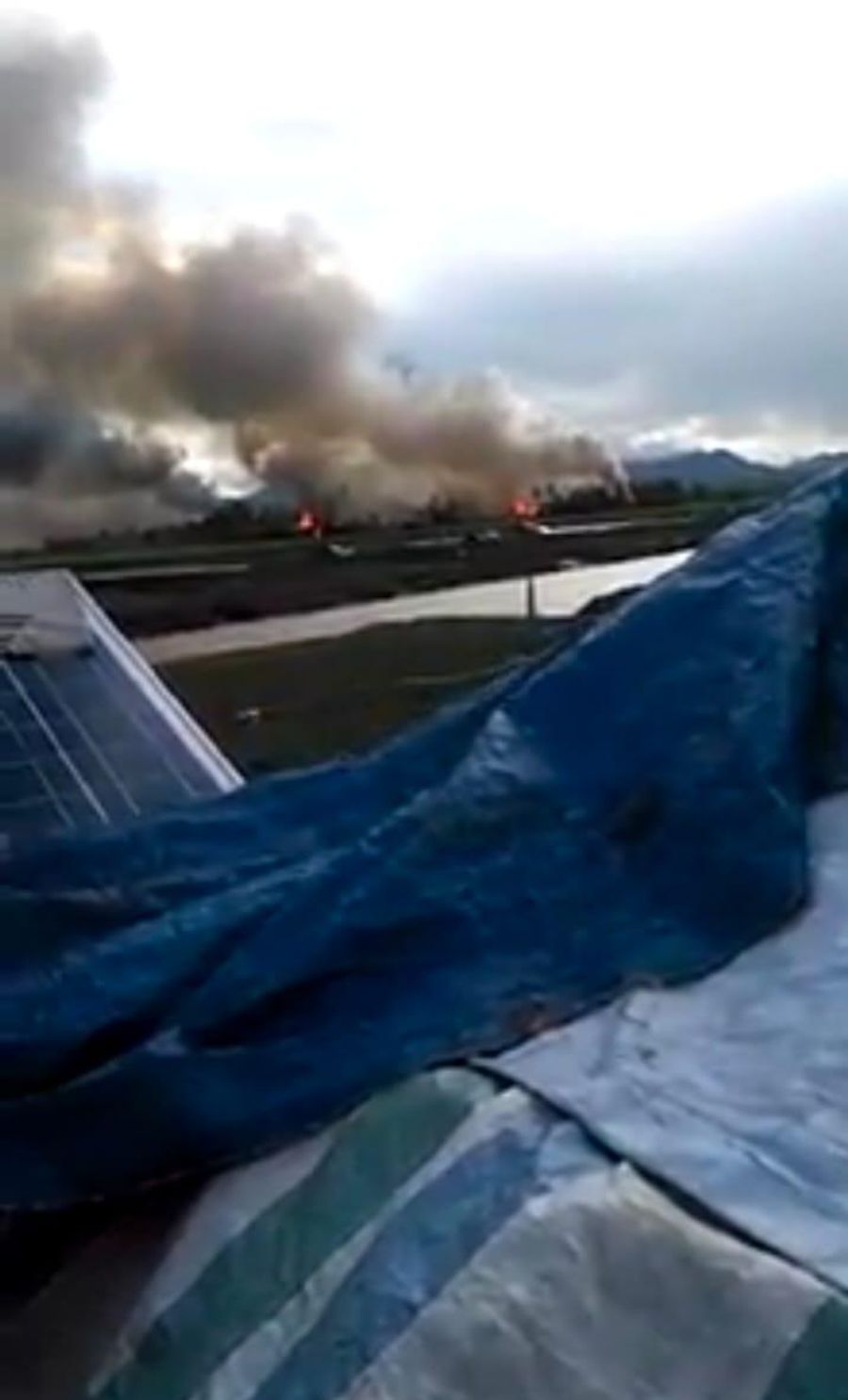
On the night of January 13, 2014, Rakhine villagers, in cooperation with police forces, entered a Muslim village, looted gold and money, and committed rape against Muslim women. When villagers responded, Rakhine individuals and police used firearms, killing multiple Muslim villagers, including children and elderly persons.
Subsequently, Rakhine villagers again entered Muslim villages, looted rice and household goods, and removed valuable items. Authorities and Rakhine groups reportedly arrested elderly Muslims and children, and entire villages were burned and destroyed.
4. 2017 Mass Atrocities in Northern Rakhine State
4.1 Tula Toli (Min Gyi) Massacre – Maungdaw Township
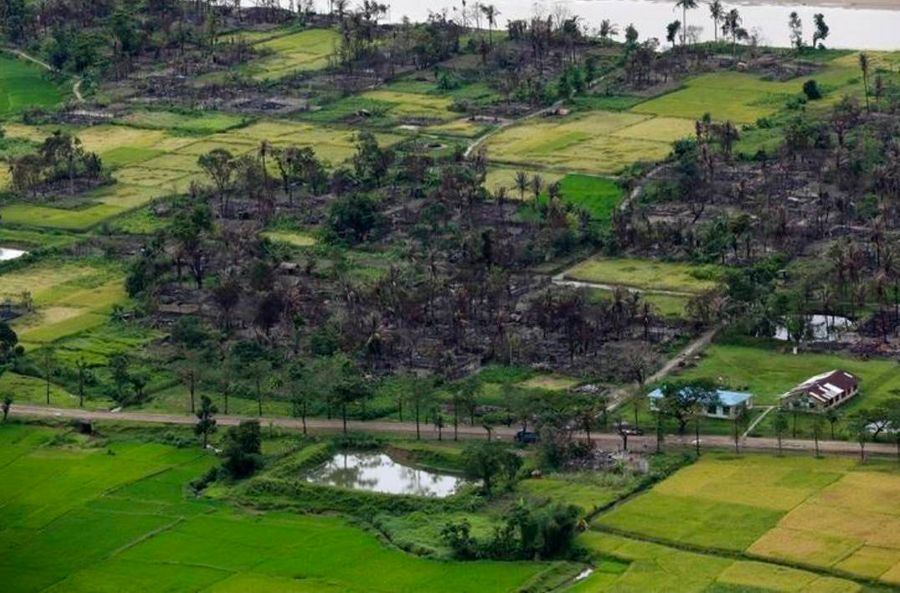
On August 30, 2017, Tula Toli village (Min Gyi) was subjected to what Human Rights Watch described as a “Massacre by the River.” Reports suggest between 1,500 and 1,700 villagers were killed. Human Rights Watch estimated several hundred deaths, noting that 1,000–2,000 people had gathered at the beach when the attack began, with most believed killed.
Atrocities included systematic killings, widespread sexual violence, and burning of women and children alive. Uniformed soldiers reportedly surrounded the village, separated men from women and children, and executed men systematically, indicating coordinated military involvement.
4.2 Gu Dar Pyin Village Massacre – Buthidaung Township
On August 27, 2017, Gu Dar Pyin village suffered a brutal attack. Approximately 430 villagers were reportedly killed, with additional estimates bringing fatalities to around 580.
Investigations by Project Khthon and Associated Press reported between 75 and 400 deaths and identified at least five mass graves. Bodies were reportedly burned with acid to destroy evidence and prevent identification, indicating deliberate concealment.
4.3 Kyaukpyin (Chut Pyin) Village Massacre – Rathedaung Township
On August 27, 2017, at approximately 8:00 AM, Kyaukpyin (Chut Pyin) village experienced mass killings and alleged sexual violence. More than 450 villagers were reportedly killed.
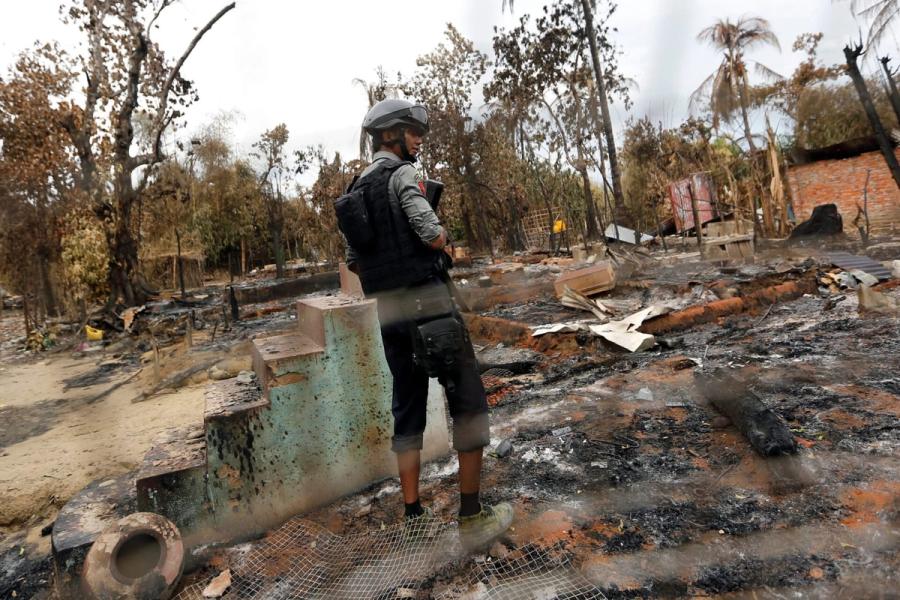
Survivors stated that Myanmar military personnel and Rakhine villagers surrounded the village, shot civilians indiscriminately, and burned homes. The attack reflected systematic targeting of civilians.
4.4 Repeated Reference: Tula Toli (Min Gyi) Massacre
(See Section 4.1 for full documentation)
4.5 Inn Din Village Massacre – Maungdaw Township
On September 2, 2017, ten Rohingya villagers were captured and executed by Myanmar military personnel and local Rakhine villagers in Inn Din village.
This case gained international attention following reporting by Reuters journalists Wa Lone and Kyaw Soe Oo, who were later imprisoned. The Myanmar military later admitted involvement in this specific incident.
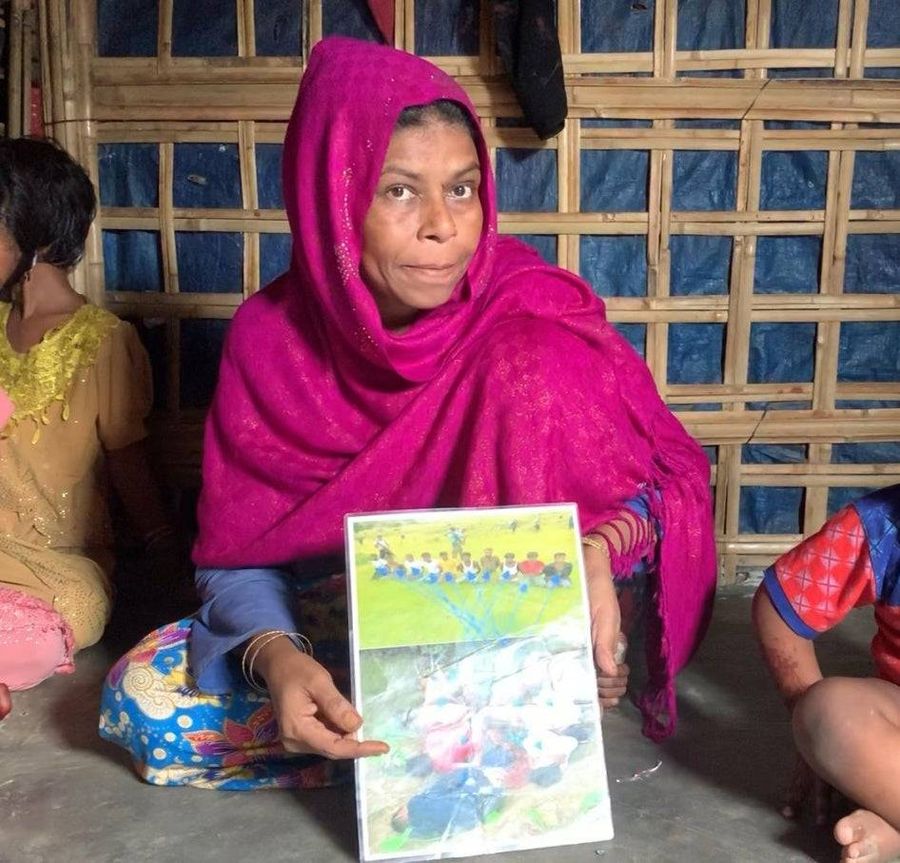
5. AARA Report: Hoyyar Siri (Honyar Siri) Massacre – 2024
Main Findings
- On May 2, 2024, Arakan Army (AA) forces allegedly perpetrated a massacre in Hoyyar Siri (Htan Shauk Khan), Buthidaung Township.
- Over 70 families, including pregnant women, children, LGBTQIA individuals, persons with disabilities, and elderly civilians were reportedly killed.
- The attack is described as part of a broader pattern of abuses since November 2023, including torture, arson, forced labor, and mass killings.
ICC and Sanctions Recommendations
- Expansion of ICC investigation to include AA crimes.
- Targeted sanctions against AA leadership.
- International accountability measures.
Methodology
- Based on 15 survivor interviews (March–November 2025).
- Includes photographic evidence.
- Reports intimidation and restricted access by AA-controlled areas.
Key Findings
- Planned and systematic attack.
- Targeted Rohingya population.
- Brutal killings using machetes and burning alive.
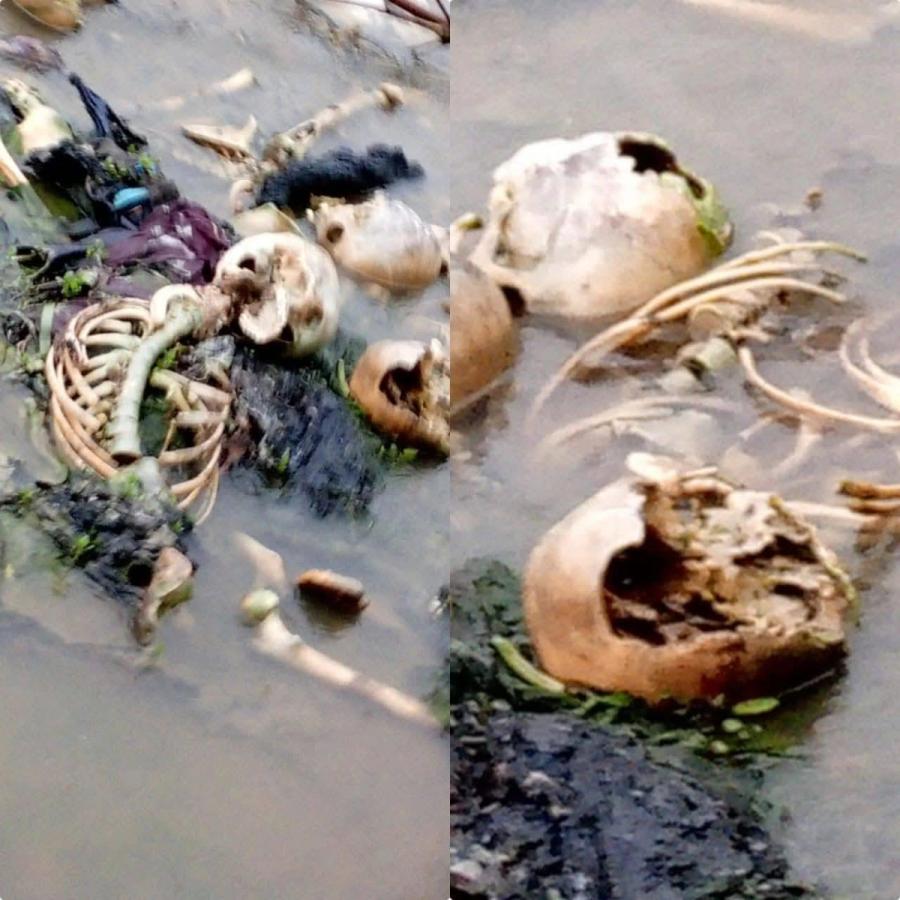
6. Nga Kyi Dauk Massacre (March–May 2024)
- Drone strikes, executions, and mass killings by Arakan Army.
- 30 March 2024: Drone strike killed 5 civilians.
- 14 May 2024: 14 men and boys executed.
- 15 May 2024: 37 civilians killed by bombing and shooting.
- 17 May 2024: Displacement site attacked; torture and imprisonment reported.
Casualties
- 74 total documented (66 killed, 7 detained, 1 missing)
- High proportion of children and youth
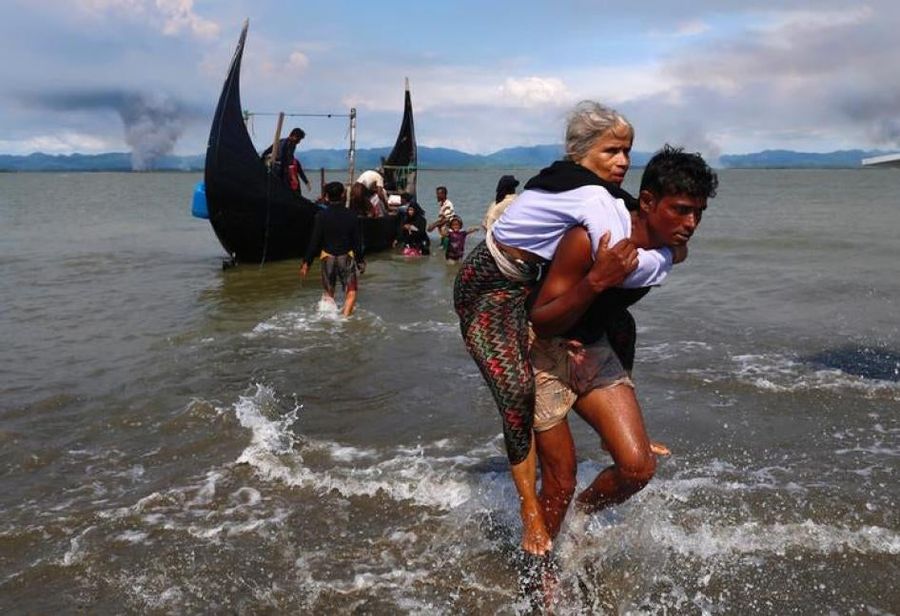
7. Naf River Massacre – 5 August 2024
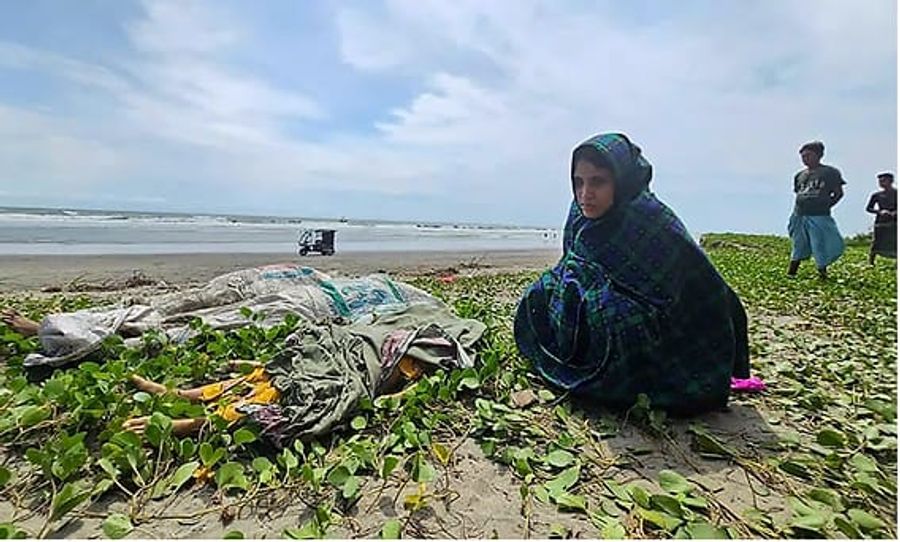
On August 5, 2024, at 7:12 a.m., Arakan Army forces allegedly fired multiple mortar shells into a crowded civilian gathering at the Naf River bank in Maungdaw.
- Over 400 Rohingya killed (estimates vary: ~200–400)
- Large concentration of women and children among victims
- Entire families killed, including those of survivor Ziabu Rahman
- Occurred during mass attempted escape to Bangladesh
This attack is documented by survivor testimony and corroborated by multiple human rights organizations, including Fortify Rights.
8. Conclusion
This report documents a sustained pattern of mass violence, systematic targeting, and serious human rights violations in Arakan (Rakhine) State from 2012 to 2025. The evidence presented across multiple incidents indicates repeated cycles of violence involving both state and non-state armed actors.
The documented atrocities highlight urgent needs for:
- International criminal accountability
- Independent investigations
- Protection of civilian populations
- Justice for victims and survivors
The documented incidents collectively represent one of the most serious and prolonged humanitarian crises in modern history.
This report calls for urgent international accountability mechanisms, independent investigations, and justice for all victims and survivors.
End of Report
Related articles
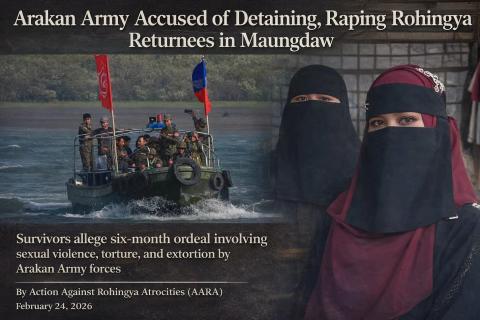
Arakan Army Accused of Raping and Detaining Rohingya Returnees
Dozens of Rohingya families who returned to their homes in Maungdaw Township after the Arakan Army (AA) seized control of the area have endured arbitrary detention, systematic rape, torture, and extortion at the hands of the ethnic armed group, survivors have told.
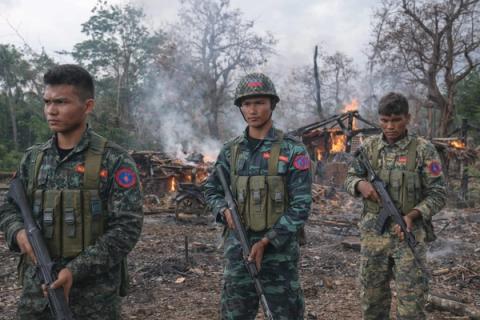
AARA Monthly Situation Report - March 2026: Militarization, Civilian Abuse and Expanding Control in Rakhine State
March 2026 marked a severe escalation of violence and repression in Rakhine State. This report documents widespread airstrikes, village destruction, forced recruitment, arbitrary detention, and increasing restrictions on religious and civilian life, leaving Rohingya communities trapped in deepening insecurity.
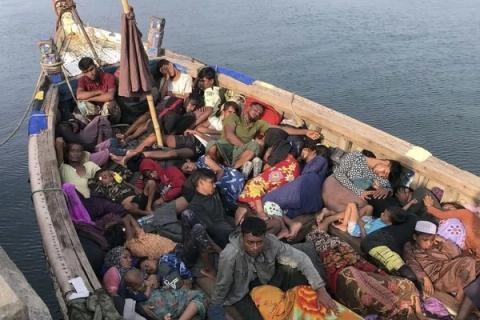
Special Investigative Report: The 2026 Andaman Sea Tragedy and the Deepening Global Maritime Crisis of the Rohingya
The Rohingya maritime crisis has escalated further with the tragic sinking of the Malaysia-bound vessel Tanjina Sultana near the Andaman Islands on 9 April 2026. The vessel carried an estimated 250–280 passengers, predominantly Rohingya refugees and Bangladeshi nationals fleeing prolonged displacement and insecurity in search of safety and livelihood opportunities. Only nine survivors have been confirmed, with over 270 individuals presumed dead. This tragedy highlights a continuing pattern of preventable maritime disasters driven by forced displacement, human trafficking networks, and the absence of effective regional search-and-rescue and refugee protection mechanisms. It underscores the urgent need for coordinated international action to address the root causes of Rohingya displacement and prevent further loss of life in the Bay of Bengal and Andaman Sea.
Latest news
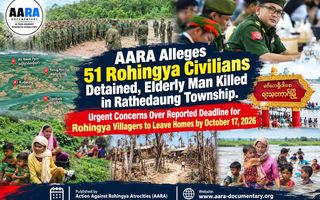
AARA Alleges 51 Rohingya Civilians Detained, Elderly Man Killed in Rathedaung Township by Militant Arakan Army (AA)
Rohingya villagers face urgent concerns over a reported deadline imposed by the militant Arakan Army (AA) to leave their homes by October 17, 2026, raising fears of further displacement and loss of shelter.
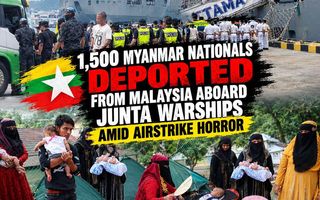
1,500 Myanmar Nationals Deported from Malaysia Aboard Junta Warships Amid Airstrike Horror
Malaysia has begun deporting around 1,500 Myanmar nationals despite ongoing conflict, forced conscription risks, and warnings that safe and dignified return remains impossible.
August 25 and the Hindu Massacre Narrative: How the Arakan Army Is Shifting Blame Toward Rohingya and ARSA
The article examines how the Arakan Army's August 25, 2026 Hindu commemoration presents the 2017 Hindu massacre as an ARSA crime, raising questions over efforts to shift blame onto Rohingya and reshape the history of the Rohingya genocide.